From Resource Holder to Policy Contributor at AFRINIC-37
Before June 2026, if someone had asked me what AFRINIC did, my answer would have been straightforward: “They manage IP addresses in Africa.” While that wasn't incorrect, it barely scratched the surface.
Everything changed when I attended my first AFRINIC Public Policy Meeting (AFRINIC-37), held as part of the African Internet Summit (AIS'26) in Nairobi, Kenya, through the AFRINIC Resource Member Event Support Program. I travelled to Nairobi expecting to deepen my understanding of Internet number resources. Instead, I discovered something much bigger. AFRINIC is far more than Africa's Regional Internet Registry. It is where the continent's Internet community comes together to discuss, shape, and agree on the policies that guide the management of Internet number resources across Africa.
Most importantly, I realised that contributing to those policies isn't reserved for seasoned Internet pioneers, policy specialists, or long-standing community members. Every AFRINIC resource member has a seat at the table.
It Started with an Ordinary Workday
Like many opportunities that quietly reshape our careers, this one began on an ordinary day at work. While supporting our network and research infrastructure, my CEO shared an announcement about AFRINIC's Resource Member Event Support Program. Curious, I clicked the link. As I read through the details, I realised it offered fully funded support to attend AFRINIC's Public Policy Meeting in Nairobi. What surprised me most wasn't the travel support—it was discovering that resource members are encouraged to attend, participate, and contribute to discussions that influence how Internet number resources are managed across Africa. Until that moment, I hadn't realised those conversations were open to all of us.
I knew I had to apply.
A few days later, I received the news that I had been selected as part of the inaugural cohort of beneficiaries under the Resource Member Event Support Program.
Walking Into the Unknown
We hear a lot about imposter syndrome. What we hear less about is the feeling of walking into a room convinced everyone else belongs there more than you do.
That was exactly how I felt.
As I entered the conference venue, I saw representatives from organisations that have helped shape Africa's Internet for decades—Internet Service Providers, Internet Exchange Points, regulators, government agencies, and regional and global Internet organisations. I paused for a moment and quietly asked myself: “Do I really belong here?” Fortunately, that feeling didn't last long.
AFRINIC is More Than a Registry
One of the first sessions explored AFRINIC's history, and it completely changed how I viewed the organisation. Learning how African Internet pioneers came together to establish the continent's own Regional Internet Registry gave me a new appreciation of AFRINIC's role. It exists because Africans recognised the importance of managing Africa's Internet number resources through an open, transparent, and community-driven process.
That history carries responsibility.
It reminded me that every resource allocated and every policy adopted contributes to building a stronger Internet for Africa. This wasn't simply about IP addresses. It was about stewardship. It was about ensuring African voices help shape Africa's digital future.
The Meeting I Was Most Nervous About
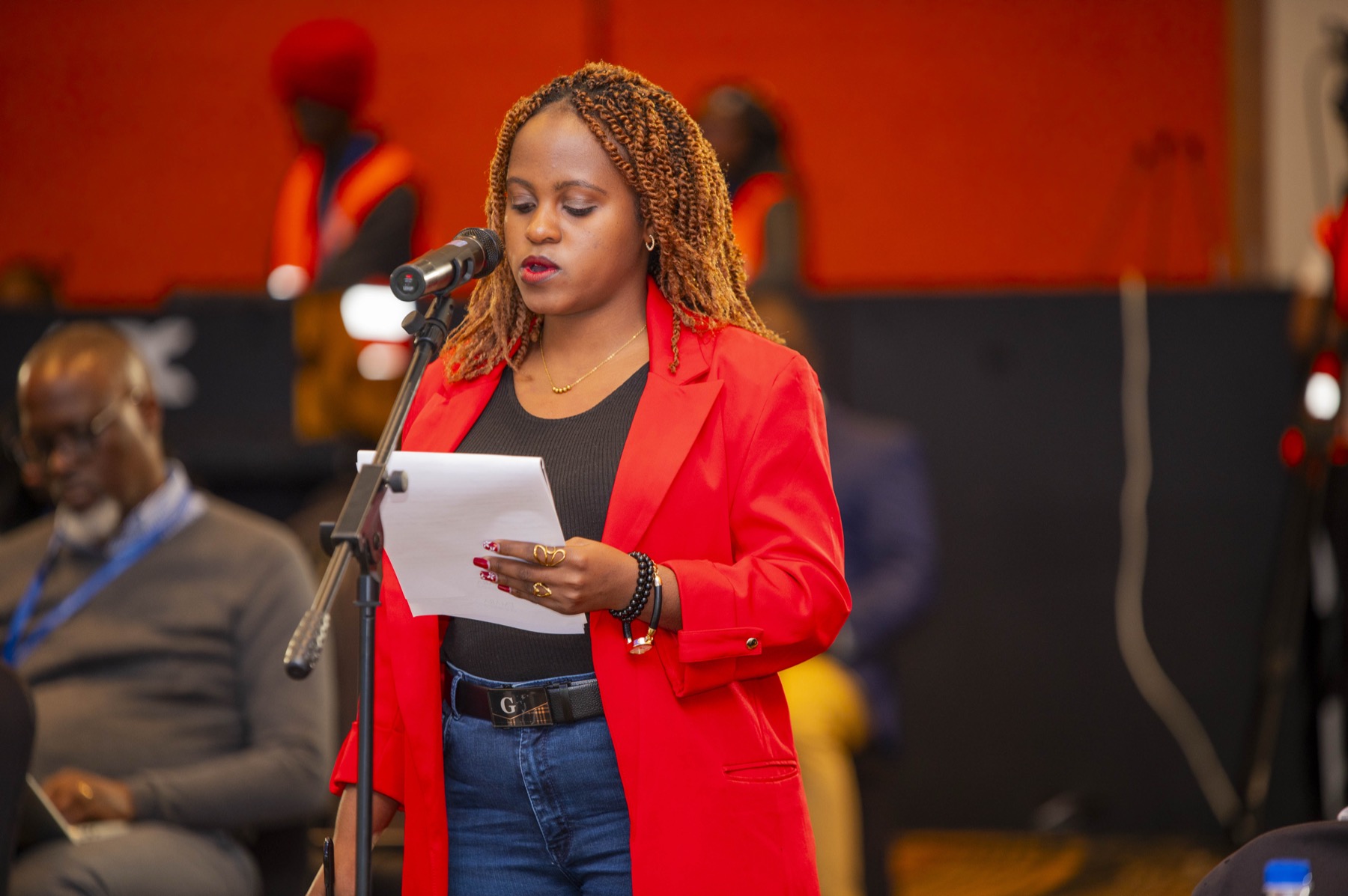
Ironically, the session I worried about the most became my favourite. Before travelling to Nairobi, I searched online to understand what happened during a Public Policy Meeting. One description referred to it as “a face-to-face grilling.” Needless to say, that didn't do much for my confidence.
Would I understand the discussions?
Would my contribution matter?
Would I spend the entire meeting simply listening?
The reality couldn't have been more different.
The Public Policy Meeting wasn't about intimidating participants. It was about strengthening ideas. Every proposal was carefully examined—not to criticise the people behind it, but to improve it and ensure it reflected the needs of the wider community. Questions were welcomed. Different viewpoints were encouraged. At first, I listened more than I spoke. Much of the terminology was unfamiliar, and the conversations moved quickly. But as the sessions progressed, I became more comfortable. Before long, I found myself contributing to discussions by sharing practical experiences from my own work. That was the moment I realised my perspective mattered too.
Who Really Makes Internet Policy?
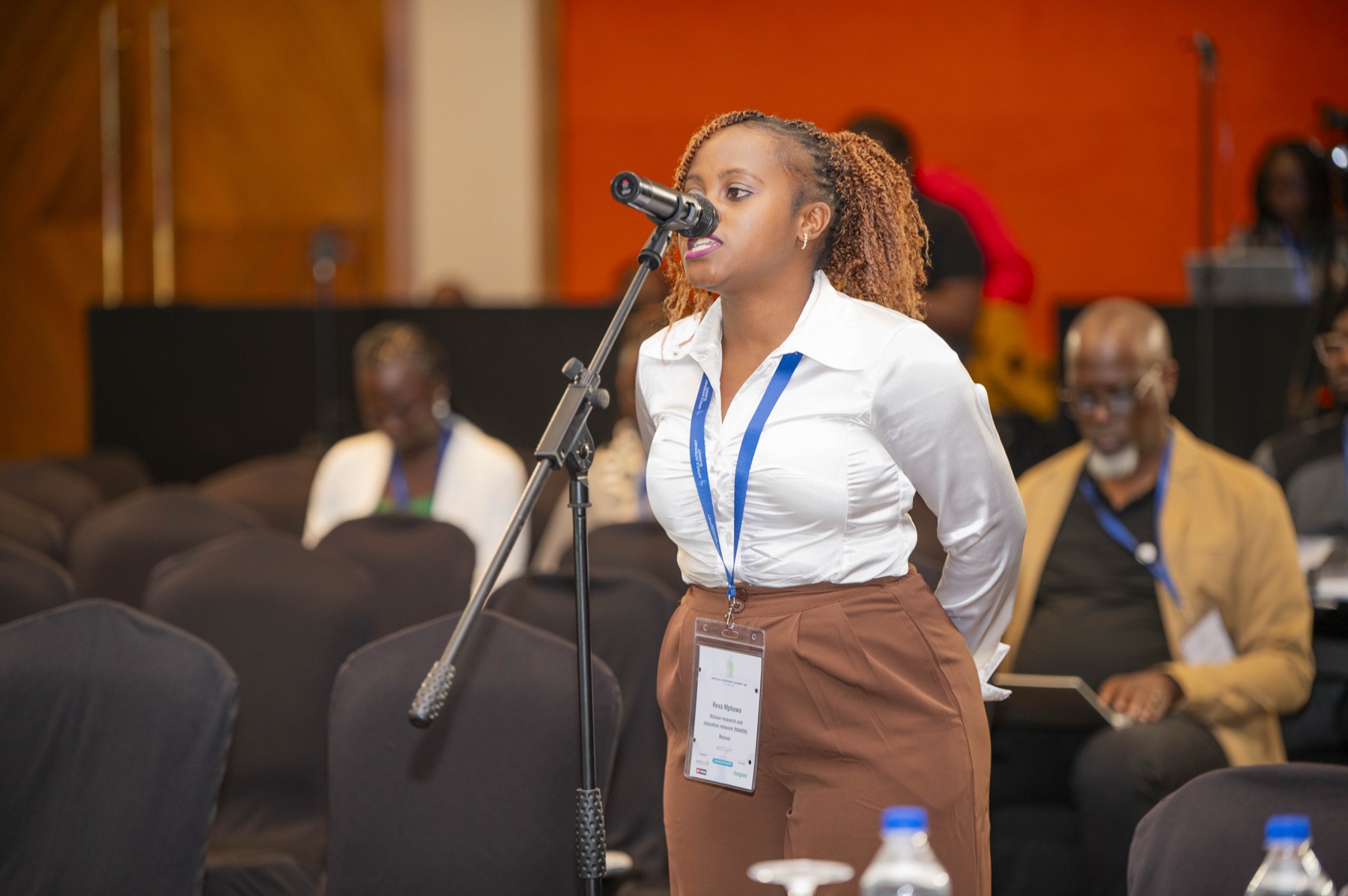
Before attending AFRINIC-37, I assumed Internet number resource policies were developed somewhere behind closed doors by a small group of experts. Instead, I discovered something refreshingly different. The community writes them.
Openly. Publicly. Collectively.
Every resource member can observe the discussions. Every resource member can ask questions. Every resource member can share operational experience. Every resource member can contribute to shaping policy. That openness is one of AFRINIC's greatest strengths. Policy isn't imposed. It's built through collaboration. And meaningful collaboration depends on participation.
The Conversations Beyond the Agenda
Some of the most valuable lessons weren't found in presentations or meeting papers. They happened over coffee. During lunch. Between sessions. Community members generously shared their experiences from different networks, organisations, and countries. Conversations that began with technical questions often evolved into discussions about collaboration, innovation, and the future of Africa's Internet. As a first-time participant, I never felt like an outsider. Instead, I felt welcomed into a community that genuinely wanted new voices to learn, contribute, and grow. That spirit of openness left as much of an impression on me as the formal programme itself.
The Empty Seats
The biggest surprise wasn't what I found inside the meeting room. It was who wasn't there. The Public Policy Meeting is open to every AFRINIC resource member. Yet many organisations whose networks are directly affected by these policies are missing from the conversation. Not because they are excluded. But because many simply don't realise these discussions are open to them—or that their voices carry weight. I understand that feeling. Until recently, I also believed policy discussions were reserved for experts. Now I know they belong to the community.
Every empty seat represents a perspective that could make the discussion stronger.
- A network operator.
- A government agency.
- A National Research and Education Network (NREN).
- A young engineer attending for the very first time.
Each brings experiences and insights that no one else can offer.
An Invitation to Fellow Resource Members
If your organisation holds Internet number resources from AFRINIC—whether IP addresses, an Autonomous System Number (ASN), or other Internet resources—these conversations affect you. The policies discussed today will influence how those resources are managed tomorrow. My hope is that many more resource members will take advantage of these meetings. Africa's Internet will be stronger when the people who rely on it also help shape it.
My Seat Is No Longer Empty
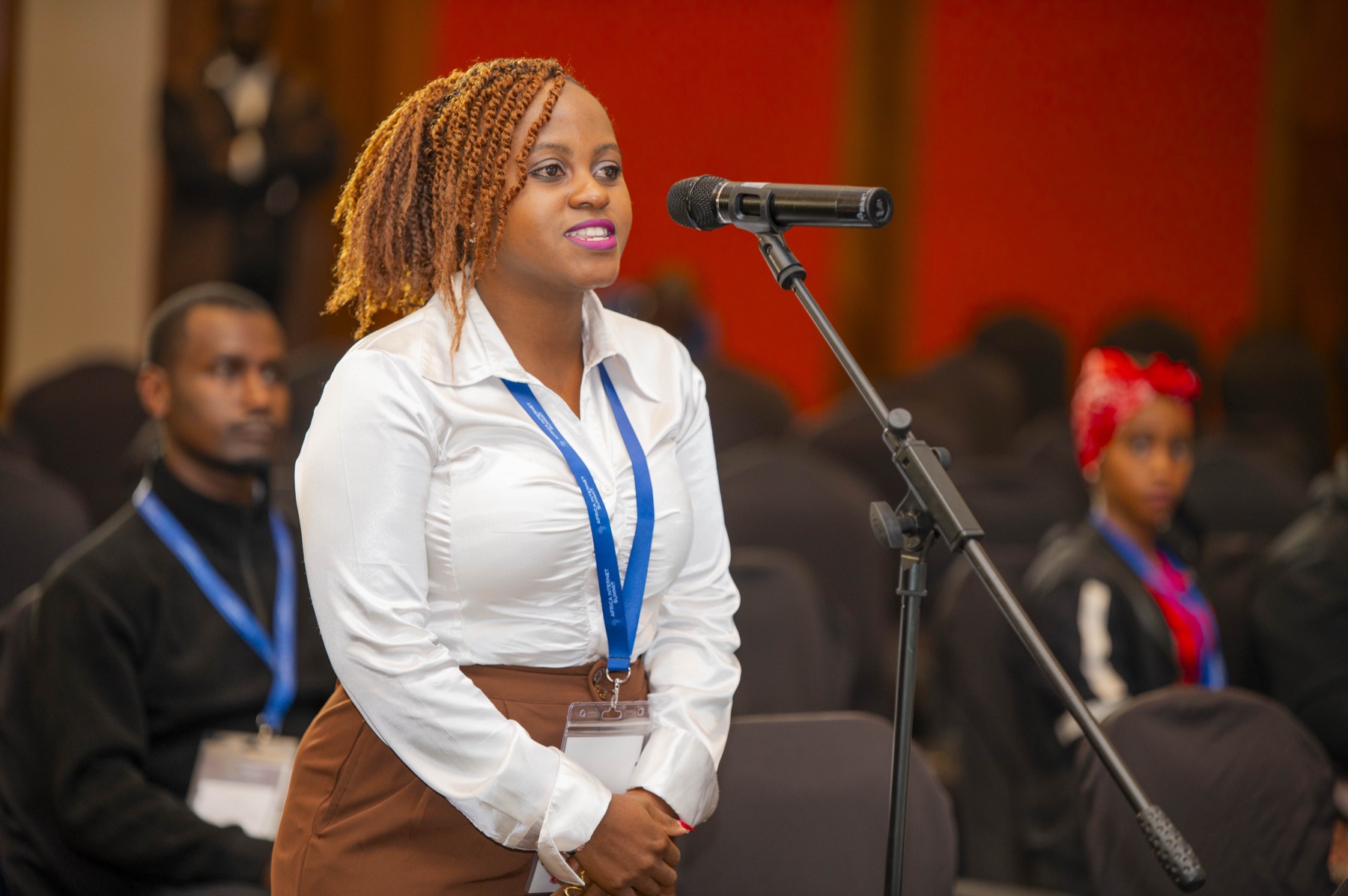
I travelled to Nairobi believing I was simply an AFRINIC resource holder. I returned knowing I am part of a community committed to strengthening Africa's Internet. If sharing my experience encourages even one resource member to attend a future Public Policy Meeting, ask their first question, or make their first contribution, then this journey will have been worth sharing. Africa's Internet is not shaped by those who watch from the sidelines. It is shaped by those who choose to participate. I found my seat at Africa's Internet policy table. Perhaps yours is waiting too.
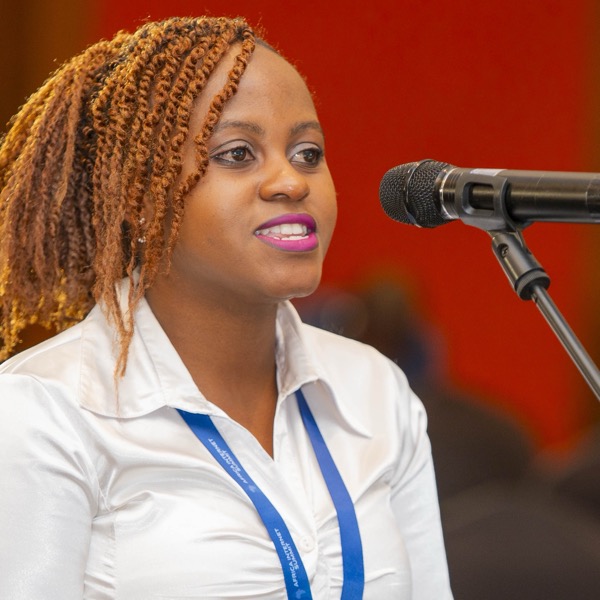
Rexa Mphuwa
Author • Network & Infrastructure Engineer, MAREN
Rexa Mphuwa is a Network and Infrastructure Engineer at the Malawi Research and Education Network (MAREN). She attended AIS'26 / AFRINIC-37 in Nairobi, Kenya, as part of the inaugural cohort of the AFRINIC Resource Member Event Support Program.